

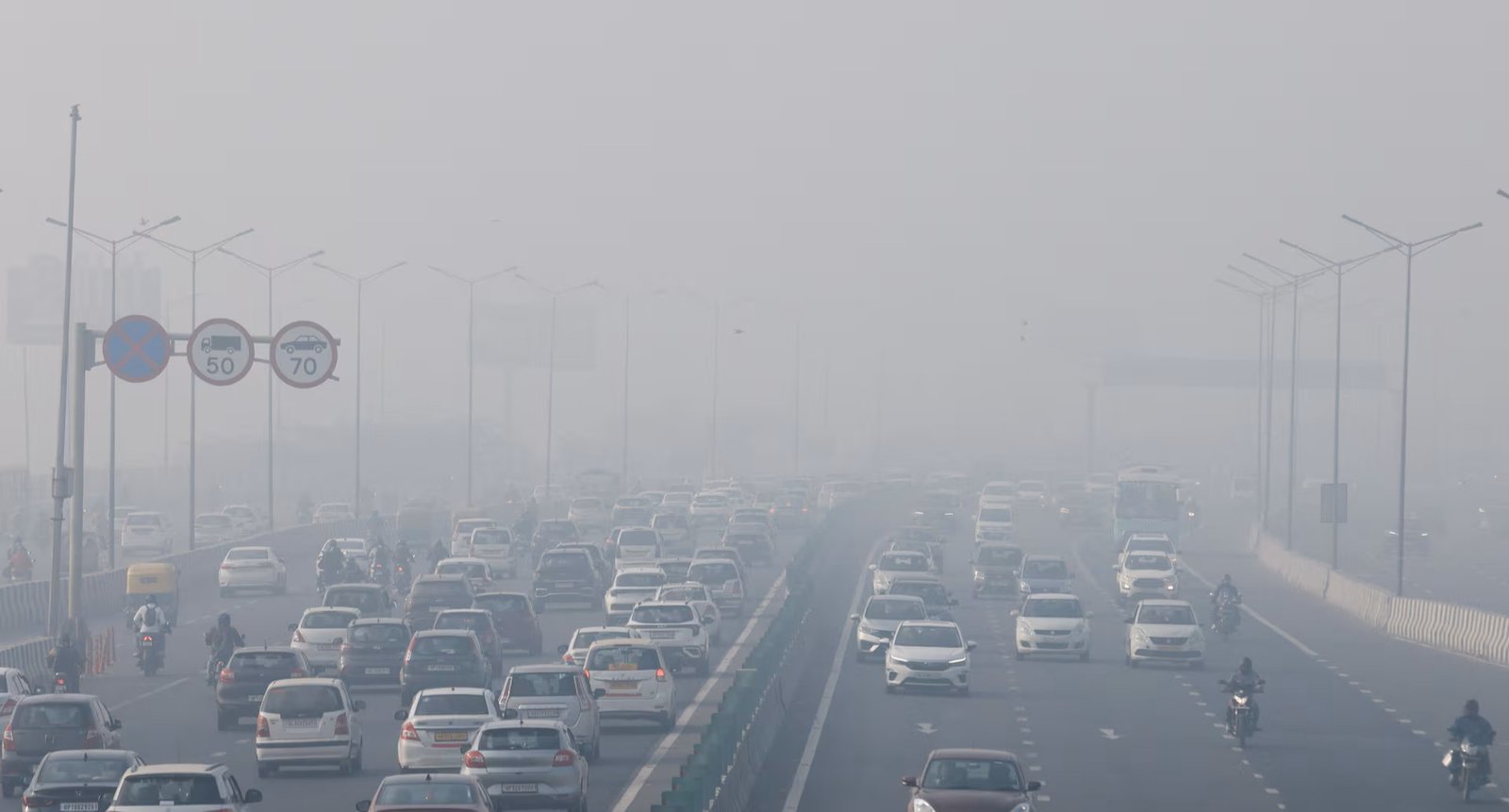
Air pollution has once again become a major concern across Delhi-NCR as air quality deteriorated sharply, with a thick layer of smog covering several parts of the national capital on Tuesday morning. The worsening situation has raised health concerns among residents, particularly children, elderly people and those suffering from respiratory or heart-related conditions.
According to the latest available data from the Central Pollution Control Board (CPCB), Delhi’s Air Quality Index (AQI) stood at 331 at around 7:05 AM on November 3, placing it in the ‘Very Poor’ category. Several monitoring stations across the city recorded even higher pollution levels, with eight locations entering the ‘Severe’ category.
Delhi’s Most Polluted Areas
Pollution levels remained particularly high in several parts of the national capital. Jahangirpuri, Rohini, Punjabi Bagh, Bawana and Narela were among the locations reporting severe air quality.
The situation was also concerning in neighbouring cities, including Noida, Ghaziabad and Gurugram, where air quality remained poor to very poor at several monitoring locations.
According to CPCB’s AQI classification, an index reading between 301 and 400 falls under the ‘Very Poor’ category, while readings between 401 and 500 are classified as ‘Severe’.
GRAP Stage-II Restrictions Implemented Across Delhi-NCR
In response to the deteriorating air quality, the Commission for Air Quality Management (CAQM) has invoked Stage-II measures under the Graded Response Action Plan (GRAP) across the National Capital Region.
The measures are aimed at controlling pollution and preventing further deterioration in air quality.
Key measures under GRAP Stage-II include:
- Increased mechanical sweeping and water sprinkling on roads to control dust pollution.
- Greater use of anti-smog guns at identified pollution hotspots.
- Higher parking charges to discourage the use of private vehicles.
- Additional efforts to improve public transport facilities.
- Staggered office timings for government and municipal employees in specified NCR areas.
- Steps to prevent open burning waste and other materials.
Authorities have been directed to strengthen monitoring and ensure the effective implementation of these measures.
Why Is Delhi-NCR’s Air Quality Deteriorating?
Several factors are contributing to the worsening pollution situation across the region.
Vehicular emissions, construction dust, industrial activities and road dust continue to contribute to pollution levels. Seasonal stubble burning in neighbouring states such as Punjab and Haryana is also adding to the pollution burden.
Weather conditions are another important factor. Relatively calm winds and unfavourable meteorological conditions can prevent pollutants from dispersing, allowing harmful particles to accumulate closer to the ground.
With Diwali approaching, concerns have also increased over the possibility of additional pollution from firecrackers.
Health Advisory: How Can Residents Protect Themselves?
Prolonged exposure to very poor air quality can affect respiratory health and may cause breathing difficulties, coughing, throat irritation and other health problems. People with asthma, existing lung conditions and cardiovascular diseases may face greater risks.
Residents are advised to take the following precautions:
- Avoid unnecessary outdoor activities, particularly during periods of high pollution.
- Wear a well-fitted N95 or equivalent respirator when outdoor exposure is unavoidable.
- Keep windows and doors closed when outdoor pollution levels are high.
- Avoid outdoor exercise and strenuous physical activities.
- Children and elderly people should take extra precautions.
- Seek medical advice if experiencing persistent breathing difficulties or other concerning symptoms.
Air Quality Outlook for the Coming Days
According to available air quality forecasts, Delhi’s pollution levels are expected to remain in the ‘Very Poor’ category over the coming days. Unfavourable weather conditions may further limit the dispersal of pollutants.
Authorities are monitoring the situation and have stepped up anti-pollution measures across Delhi-NCR. Residents are advised to follow official advisories and check local AQI updates before planning outdoor activities.
As winter approaches, tackling air pollution remains a major challenge for Delhi and its neighbouring cities. Effective enforcement of pollution-control measures and public cooperation will be important in improving the region’s air quality.