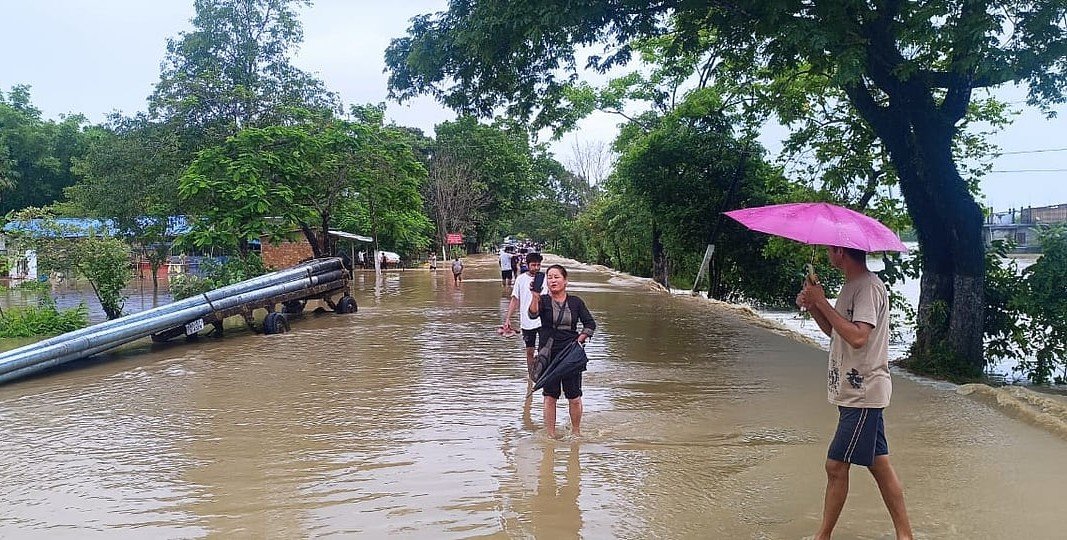



Authorities are preparing for the possible impact of Cyclone Arnab as the storm strengthens over the Bay of Bengal and moves towards India’s eastern coastline. Coastal districts of Andhra Pradesh, including Kakinada, are being closely monitored as weather officials warn of heavy rainfall, strong winds and possible flooding in vulnerable areas.
According to the India Meteorological Department (IMD), the cyclone is forecast to cross the Andhra Pradesh–Yanam coast between Bapatla and Visakhapatnam, close to Yanam, by the forenoon of October 28, 2026. Residents in coastal areas have been advised to remain alert and follow official weather updates.
Cyclone Arnab Latest Update: Expected Landfall and Wind Speed
The latest IMD bulletin available on October 27 indicates that Cyclone Arnab has intensified into a very severe cyclonic storm over the west-central Bay of Bengal.
The system is forecast to cross the coast with maximum sustained wind speeds of around 115–125 kmph, with gusts potentially reaching 140 kmph. These conditions could affect coastal communities, transport services, power infrastructure and other essential services.
The storm’s exact movement and intensity may change, making it important for residents to follow updated forecasts issued by the IMD and local disaster management authorities.
Kakinada on Alert as Cyclone Approaches
Kakinada is one of the coastal areas being closely monitored ahead of the expected landfall. The IMD’s coastal weather bulletin has warned of rough sea conditions and the possibility of storm-surge inundation in low-lying coastal areas near Kakinada and Yanam.
Heavy rainfall could also lead to localised waterlogging and disruption in vulnerable locations. People living close to the coast or in low-lying areas should pay attention to evacuation instructions and other advisories issued by local authorities.
Residents should avoid unnecessary visits to beaches, harbours and exposed coastal stretches while dangerous weather conditions persist.
Heavy Rainfall Expected Along Coastal Andhra Pradesh
Several coastal districts of Andhra Pradesh are expected to experience heavy to extremely heavy rainfall as Cyclone Arnab approaches. Rainfall and strong winds may affect daily activities, road travel and local transport.
Authorities are monitoring vulnerable locations and coordinating preparedness measures. Residents should secure loose outdoor objects, keep essential supplies ready and avoid travelling through flooded roads.
Fishermen have also been advised not to venture into the affected sea areas during the warning period. Anyone already in a vulnerable location should follow instructions from local officials and emergency response teams.
Safety Measures and Official Advisories
During a severe cyclone, timely information and basic precautions can help reduce risks. Residents in potentially affected areas should:
- Follow the latest IMD forecasts and district administration advisories.
- Stay away from beaches, coastal waters and exposed shoreline areas.
- Keep mobile phones charged and essential medicines and documents accessible.
- Avoid fallen power lines, damaged electrical equipment and flooded roads.
- Move to designated shelters if instructed by local authorities.
- Follow official evacuation instructions rather than relying on unverified social media messages.
People should use official government and disaster management channels for updates on rainfall, wind conditions, transport disruptions and evacuation arrangements.
What Happens Next?
Cyclone Arnab’s projected path and intensity will remain important factors in determining the extent of its impact on Andhra Pradesh and neighboring coastal areas. Kakinada and other vulnerable locations will require close monitoring as the storm approaches.
Residents are advised to remain calm, stay informed and follow instructions from the IMD and local administration. The situation may change as new weather bulletins are issued, so the latest official updates should take priority over earlier forecasts.
For the latest weather alerts and developing news, keep following Trinetra Vibes News.