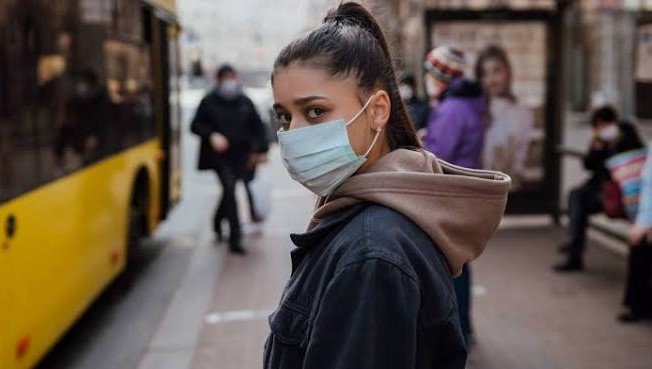


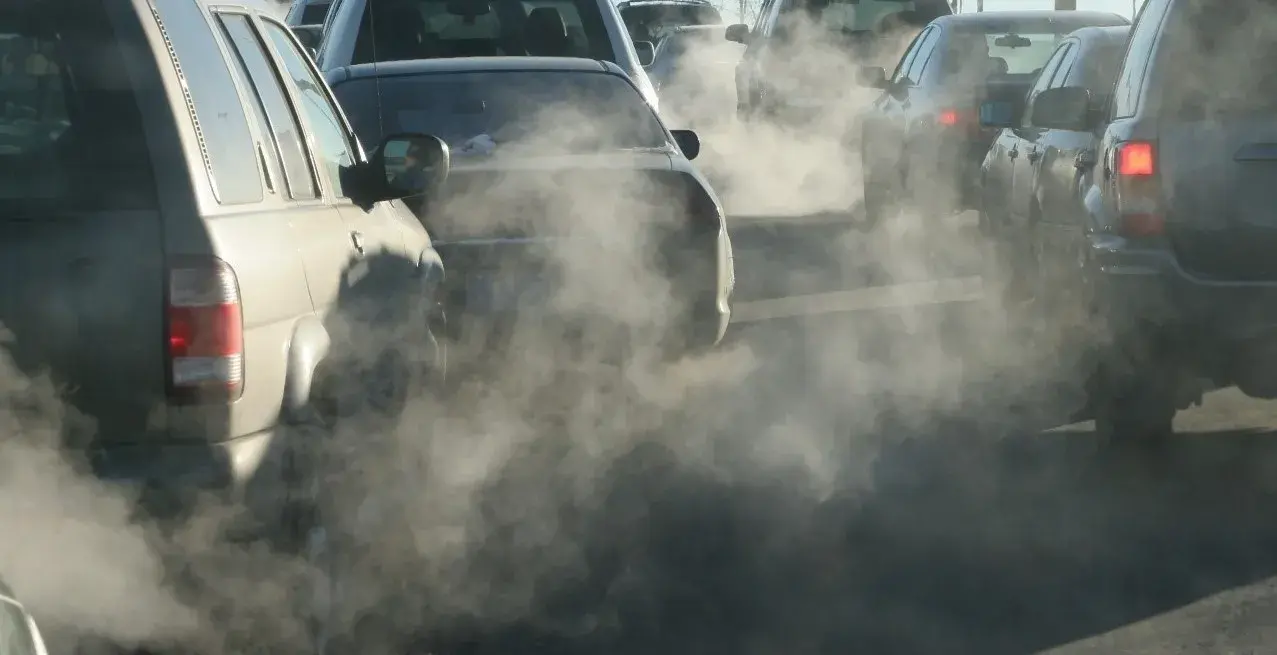
We often think about air only when we see smog, smoke or pollution around us. But the quality of the air we breathe every day can have a much bigger impact on our health than we realize.
Air pollution is not limited to busy roads or industrial areas. Pollutants can also be present indoors because of cooking smoke, tobacco smoke, heating, poor ventilation and other sources. According to the World Health Organization (WHO), common pollutants of health concern include fine particulate matter (PM2.5), PM10, ozone, nitrogen dioxide, sulfur dioxide and carbon monoxide.
What Is Air Quality?
Air quality refers to how clean or polluted the air around us is. It depends on the concentration of different pollutants in the atmosphere and how long people are exposed to them.
One of the most important pollutants to watch is PM2.5. These are extremely small particles that can travel deep into the lungs, and some can enter the bloodstream. Long-term exposure to particle pollution has been linked with cardiovascular and respiratory diseases.
How Poor Air Quality Can Affect Your Health
The effects of polluted air can range from temporary irritation to serious long-term health problems.
- It Can Affect Your Lungs
Breathing polluted air may irritate the airways and cause symptoms such as coughing, throat irritation, wheezing or difficulty breathing. High levels of particulate pollution can also worsen asthma and other respiratory conditions.
Children, older adults and people who already have lung problems can be particularly vulnerable.
- It Can Affect Heart Health
Air pollution does not affect only the respiratory system. Fine particles can enter deep into the lungs and contribute to processes that affect the cardiovascular system.
Long-term exposure to air pollution is associated with an increased risk of conditions such as heart disease and stroke.
- It Can Make Asthma and Breathing Problems Worse
Ground-level ozone can irritate the airways and reduce lung function. It can also aggravate asthma symptoms and make breathing more difficult, particularly when ozone levels are high.
- Children May Be More Sensitive
Children are among the groups that can be more vulnerable to air pollution because their lungs are still developing. Older adults, pregnant women and people with existing heart or lung conditions may also face greater health risks from exposure.
Why Indoor Air Quality Matters Too
Staying indoors does not automatically mean you are protected from air pollution.
Smoke from cooking, tobacco smoke, certain fuels, poor ventilation and other indoor sources can affect air quality. WHO estimates that billions of people worldwide are exposed to household air pollution, particularly where polluting fuels and inefficient cooking methods are used.
Simple steps such as improving ventilation, avoiding indoor smoking and reducing sources of smoke can help improve indoor air quality.
How to Protect Yourself from Poor Air Quality
You cannot control the air quality everywhere, but you can reduce your exposure.
- Check local air-quality information before spending long periods outdoors when pollution levels are high.
- Limit strenuous outdoor exercise during periods of poor air quality, especially if you have asthma or another respiratory condition.
- Keep indoor spaces well-ventilated when outdoor air conditions allow it.
- Avoid smoking indoors and minimize exposure to second-hand smoke.
- Reduce indoor smoke from cooking or heating by using cleaner fuels and appropriate ventilation.
- Follow local health recommendations during severe pollution or smoke events.
- People with asthma or other chronic heart or lung conditions should follow the advice and treatment plan provided by their healthcare professional.
Air Quality Is an Everyday Health Issue
Good air quality is not just about having a clear sky or avoiding visible smog. Some harmful pollutants are invisible, which means air can look clean while still containing substances that may affect health.
Both short-term and long-term exposure to air pollution can affect the respiratory and cardiovascular systems. Reducing exposure where possible and paying attention to local air-quality conditions can be an important part of protecting everyday health.
Final Takeaway
The air we breathe is part of our daily environment, just like the food we eat and the water we drink. Paying attention to air quality and pollution levels can help us make better decisions about outdoor activities, ventilation and exposure to smoke.
Clean air is not only an environmental concern, it is an important part of maintaining healthy lungs, a healthy heart and overall well-being.
Disclaimer: This article is for general health awareness and does not replace professional medical advice. People with existing medical conditions should consult a qualified healthcare professional about managing exposure to air pollution.