

India has achieved a remarkable milestone in advanced cardiac care after surgeons at Medanta – The Medicity, Gurugram, successfully performed the world’s first dual-console, five-arm robotic beating-heart coronary bypass surgery using the indigenously developed SSi Mantra Surgical Robotic System.
The landmark procedure represents an important development in robotic-assisted heart surgery, bringing together advanced surgical robotics, two-console coordination and minimally invasive cardiac techniques. It also highlights India’s growing capabilities in developing and using advanced medical technologies.
The achievement was announced by SS Innovations International on November 19, 2026.
A Historic Achievement in Robotic Heart Surgery
The complex surgical procedure was performed by Dr. Nitin Kumar Rajput, Associate Director of Robotic and Minimally Invasive Cardiac Surgery at Medanta, Gurugram, and Dr. Lalit Malik, Chief Cardiac Surgeon at Manipal Hospital, Jaipur. The procedure was carried out under the guidance of Dr. Sudhir Srivastava, Founder, Chairman and CEO of SS Innovations International.
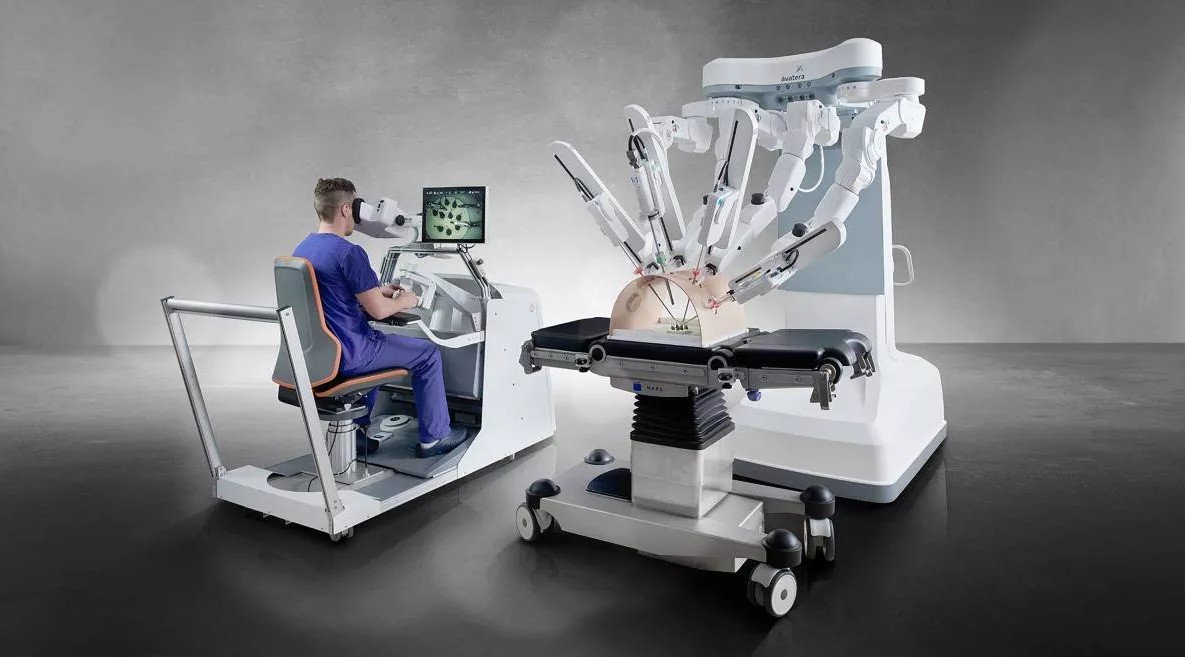
For the first time globally, all five robotic arms of the SSi Mantra surgical robotic system were used simultaneously in a dual-console configuration for a beating-heart Totally Endoscopic Coronary Artery Bypass (TECAB) procedure.
The two surgeons operated through separate control consoles, allowing them to coordinate their movements while performing the highly specialised cardiac procedure.
A dedicated heart stabilisation system was also used to keep the targeted surgical area steady while the patient’s heart continued beating.
What Makes This Five-Arm Robotic Surgery Special?
Traditional coronary bypass surgery often involves opening the chest through an incision in the breastbone. Depending on the surgical approach, the heart may also be stopped temporarily, with a heart-lung machine maintaining circulation during the operation.
However, the TECAB technique offers a different approach.
Totally Endoscopic Coronary Artery Bypass (TECAB) is a minimally invasive procedure in which surgeons perform coronary bypass surgery through small incisions using specialised robotic instruments and a camera system.
In this particular procedure, the beating-heart technique allowed surgeons to operate without stopping the patient’s heart or using a heart-lung machine.
The use of five robotic arms provided multiple instrument-control capabilities, while the dual-console arrangement enabled two surgeons to work together through the robotic platform.
Combining these elements in a single procedure represents a significant technical achievement in the field of minimally invasive cardiac surgery.
SSi Mantra: India’s Indigenous Surgical Robotic Technology
The procedure was performed using the SSi Mantra Surgical Robotic System, developed by Indian medical technology company SS Innovations International.
The system has been designed to support robotic-assisted procedures across multiple medical specialities, including cardiac surgery.
Its capabilities include multiple robotic arms, specialised surgical instruments and advanced visualisation technology. The platform supports complex surgical movements and provides surgeons with a magnified three-dimensional view of the operating area.
The successful use of all five robotic arms with two separate consoles in a beating-heart bypass procedure demonstrates the potential of India’s homegrown surgical robotics technology in highly specialised medical applications.
Patient Recovery and the Future of Cardiac Care
Beyond the technological achievement, patient recovery remains an important aspect of any major surgical milestone.
Medanta Chairman and Managing Director Dr. Naresh Trehan stated that the patient was doing extremely well following the procedure. The medical team also described the recovery progress as encouraging.
Minimally invasive robotic cardiac procedures may offer advantages in selected patients, including smaller surgical incisions and potentially less surgical trauma compared with conventional open-chest approaches. However, outcomes depend on individual patient conditions, surgical complexity and clinical assessment.
The success of this procedure may encourage further exploration of advanced robotic techniques in cardiac surgery. More clinical experience and long-term outcome data will be important in understanding their wider benefits and suitability for different patients.
India’s Growing Position in Global Medical Innovation
This achievement is not just a milestone for Medanta but also an important moment for India’s medical technology sector.
The successful application of an Indian-developed robotic surgical system in such a complex cardiac procedure reflects the country’s increasing focus on healthcare innovation, indigenous medical equipment and advanced surgical capabilities.
As robotic technology continues to evolve, collaboration between experienced surgeons, medical institutions and technology developers will play an important role in expanding access to advanced treatment options.
The world’s first dual-console, five-arm robotic beating-heart TECAB procedure at Medanta demonstrates how Indian medical expertise and homegrown innovation can contribute to the future of global healthcare.
Two consoles, five robotic arms and one beating heart – a remarkable achievement that places India’s surgical innovation in the global spotlight.