


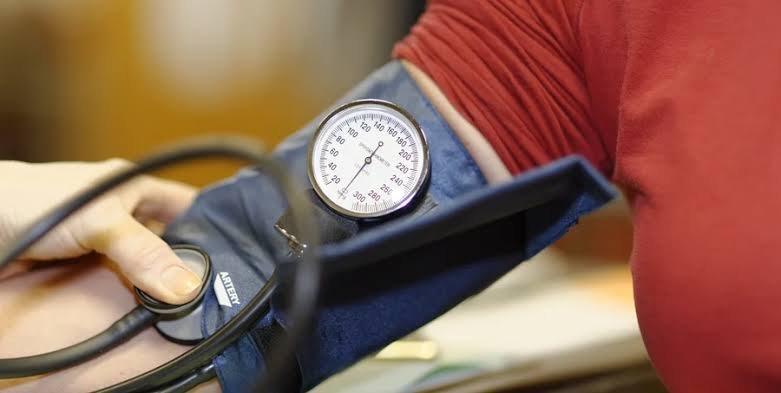
High blood pressure, also known as hypertension, is a common health condition that can affect people of different age groups. It often develops without noticeable symptoms, which is why many people may not realize they have it until they get their blood pressure checked. If left uncontrolled, high blood pressure can increase the risk of serious health problems, including heart disease, stroke and kidney damage.
The good news is that regular blood pressure monitoring, healthy lifestyle choices and appropriate medical treatment can help manage the condition and reduce its long-term risks.
What Is High Blood Pressure?
Blood pressure is the force exerted by circulating blood against the walls of the arteries. It is measured using two numbers. The systolic number, which appears first, measures the pressure when the heart beats. The diastolic number, which appears second, measures the pressure when the heart rests between beats.
For most adults, reading below 120/80 mmHg is generally considered normal. Repeated readings of 140/90 mmHg or higher are classified as hypertension under commonly used WHO guidelines for diagnosis in a healthcare setting. Some medical guidelines use lower thresholds, so interpretation may vary depending on the guideline and individual circumstances.
A single high reading does not always mean a person has hypertension. Blood pressure can temporarily rise because of stress, physical activity, caffeine, smoking or other factors. Consistently elevated readings should be discussed with a healthcare professional.
Common Symptoms of High Blood Pressure
One of the biggest concerns about hypertension is that it usually causes no obvious symptoms. A person may feel completely healthy even when their blood pressure is high.
Some people with severely elevated blood pressure may experience symptoms such as:
- Severe headache
- Blurred vision or changes in eyesight
- Chest pain
- Shortness of breath
- Dizziness or confusion
However, these symptoms are not reliable indicators of routine high blood pressure and can have other causes. The only dependable way to identify hypertension is to measure blood pressure.
Important: If blood pressure is around 180/120 mmHg or higher, repeat the measurement after at least one minute. If it remains that high, seek urgent medical advice. If it is accompanied by chest pain, breathing difficulty, weakness, difficulty speaking, confusion or changes in vision, seek emergency medical care immediately.
Major Risk Factors for High Blood Pressure
Several lifestyle, medical and genetic factors can increase the likelihood of developing hypertension.
- High Salt Intake
Eating too much salt can contribute to increased blood pressure, particularly in people who are salt-sensitive. Packaged snacks, pickles, processed foods, instant meals and restaurant dishes can contain significant amounts of sodium.
- Being Overweight
Excess body weight can place additional strain on the cardiovascular system. Maintaining a healthy weight through balanced nutrition and regular physical activity can help improve blood pressure.
- Lack of Physical Activity
A sedentary lifestyle may increase the risk of hypertension. Regular activities such as brisk walking, cycling and swimming can support heart health and help regulate blood pressure.
- Smoking and Tobacco Use
Nicotine can temporarily raise blood pressure and heart rate. Smoking also damages blood vessels and increases the risk of heart attack and stroke. Avoiding tobacco is an important step towards better cardiovascular health.
- Excessive Alcohol Consumption
Frequent or heavy alcohol consumption can contribute to high blood pressure. Reducing alcohol intake or avoiding it can support better blood pressure control.
- Stress and Poor Sleep
Ongoing stress and inadequate sleep can affect blood pressure and make healthy habits harder to maintain. Relaxation techniques, consistent sleep schedules and addressing sleep problems can be helpful.
- Family History and Age
People with a family history of hypertension may have a higher risk of developing the condition. The likelihood also tends to increase with age, although high blood pressure can affect younger adults as well.
- Other Medical Conditions
Diabetes, kidney disease, sleep apnea and certain hormonal conditions can increase the risk of hypertension. Some medicines may also raise blood pressure, so it is important to discuss regular medications and supplements with a healthcare professional.
Effective Tips to Prevent High Blood Pressure
Although not every case of hypertension can be prevented, healthy daily habits can significantly reduce the risk and help people who already have high blood pressure.
Follow a Balanced Diet
Include vegetables, fruits, whole grains, pulses, beans, nuts and other nutritious foods in your daily meals. A DASH-style eating pattern, which emphasizes fruits, vegetables, whole grains and lower-fat dairy where suitable, may help lower blood pressure.
Limit excess salt, highly processed foods, sugary drinks and foods high in saturated fat. WHO recommends that adults consume less than 2,000 mg of sodium per day, equivalent to less than 5 grams of salt from all sources.
Exercise Regularly
Aim for at least 150 minutes of moderate-intensity physical activity each week, if your health allows. Brisk walking, cycling and swimming are practical options. Start gradually if you have been inactive and seek medical advice before beginning vigorous exercise if you have uncontrolled blood pressure or other health concerns.
Maintain Healthy Weight
Even modest weight loss can help lower blood pressure in people who are overweight. Focus on sustainable changes in food portions, meal quality and activity levels rather than crash diets.
Avoid Tobacco and Limit Alcohol
Avoid smoking and other tobacco products. If you drink alcohol, reducing your intake can help lower your blood pressure. Avoiding alcohol altogether offers additional health benefits for many people.
Manage Stress and Get Enough Sleep
Try relaxation exercises, meditation, gentle yoga or regular outdoor walks. Most adults should aim for around seven to nine hours of sleep each night. Seek professional advice if you regularly experience poor sleep or symptoms of sleep apnoea.
Monitor Your Blood Pressure
Checking your blood pressure at home with a validated upper-arm monitor can help identify patterns. Sit quietly for five minutes before taking a reading, keep your feet flat on the floor, support your back and arm, and use the correct cuff size. Take two readings about one minute apart and record the results.
Follow your healthcare professional’s advice about how often to check your blood pressure and when to seek further assessment.
When Should You Consult a Doctor?
Consult a healthcare professional if your blood pressure readings are repeatedly higher than normal, even if you feel well. A doctor may recommend additional measurements, lifestyle changes or medication depending on your reading and overall health.
If you have already been prescribed blood pressure medication, take it as directed. Do not stop, change or replace prescribed treatment with herbal products or supplements without consulting your doctor.
Seek emergency care if you experience symptoms that may indicate a heart attack, stroke or another serious complication, regardless of the blood pressure reading.
Conclusion
High blood pressure is a manageable health condition, but ignoring it can have serious consequences over time. Because hypertension often develops without warning signs, regular screening is essential. A balanced diet, reduced salt intake, regular exercise, a healthy weight, good sleep and avoiding tobacco can all support healthier blood pressure.
The most important step is to know your numbers and seek timely medical advice when reading remains elevated. Early detection and appropriate treatment can help protect your heart, brain and kidneys in the long run.
Disclaimer: This article is intended for general health awareness and educational purposes only. It is not a substitute for professional medical advice, diagnosis or treatment.