


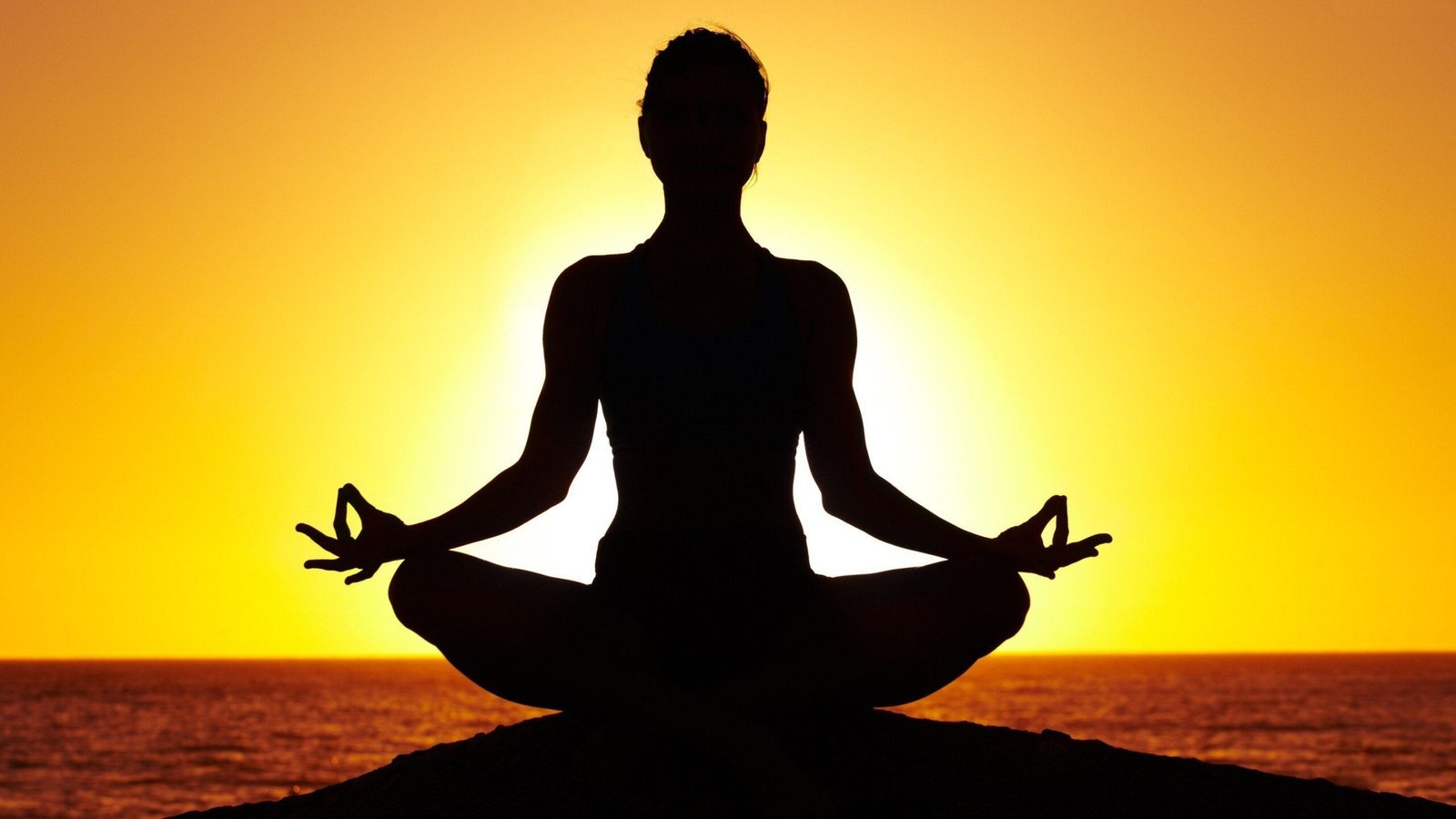
In today’s busy world, taking care of our health often becomes less of a priority. Long working hours, daily responsibilities, screen time and constant stress can leave us feeling tired, distracted and mentally overwhelmed. While a healthy diet and regular physical activity are important, making time to relax and reconnect with us can also support overall well-being.
This is where yoga and meditation can make a difference. Rooted in ancient Indian traditions, these practices encourage a connection between the mind and body through movement, breathing, awareness and relaxation. When practiced regularly and safely, they may help people manage stress, improve flexibility, support better sleep and develop a more balanced daily routine.
What Is Yoga and Why Does It Matter?
Yoga is more than a series of physical exercises. It combines body postures, breathing techniques and, in many traditions, meditation to support physical and mental well-being.
People practice yoga for different reasons. Some want to improve flexibility and balance, while others use it to unwind after a demanding day. Gentle yoga can also provide an accessible form of movement for people who prefer a slower pace of exercise.
Research suggests that yoga may support general wellness, stress management, sleep quality and emotional well-being. Some studies also indicate potential benefits for certain types of back and neck pain, although results can vary from person to person.
How Meditation Supports Mental Wellness
Meditation is a practice that involves directing attention towards something specific, such as the breath, a sound, a repeated word or the present moment. Mindfulness meditation encourages people to notice their thoughts and feelings without immediately judging or reacting to them.
The goal is not to stop every thought or force the mind to become completely empty. Instead, meditation offers an opportunity to pause, observe what is happening and gently bring attention back to the present.
Regular meditation may help some people manage stress and symptoms of anxiety, and it may improve sleep quality. However, its effects differ among individuals, and research does not support every claim made about meditation. It should be viewed as a useful wellness practice rather than a guaranteed solution to mental health difficulties.
5 Potential Benefits of Yoga and Meditation
- May Help Manage Everyday Stress
A few quiet moments spent breathing mindfully or practicing gentle yoga can provide a break from daily pressures. These activities may help some people feel calmer and cope with stressful situations more effectively.
- Supports Flexibility and Balance
Yoga postures encourage controlled movement, stretching and body awareness. Depending on the style and level of practice, yoga may help improve flexibility, balance and
- May Improve Sleep Quality
Relaxation and mindfulness practices may help some people with sleep difficulties. Creating a calming bedtime routine that includes gentle breathing or meditation may be worth trying alongside good sleep habits.
- Encourages Focus and Self-Awareness
Meditation provides an opportunity to notice distractions and return attention to the present moment. With practice, this can help people become more aware of their thoughts, emotions and everyday reactions.
- Encourages a Healthier Lifestyle
Making time for yoga can help establish a regular movement routine. Combined with balanced nutrition, adequate sleep and other forms of physical activity, it can become part of a sustainable approach to overall wellness.
Simple Yoga and Meditation Practices for Beginners
You do not need to spend hours practicing yoga or meditation to begin building a routine. Start with a comfortable pace and gradually increase the time as you become more familiar with the practices.
- Gentle stretching: Try simple, comfortable movements to loosen up after sitting for long periods.
- Mountain Pose (Tadasana): Practise standing upright with relaxed shoulders and steady breathing to develop awareness of posture and balance.
- Cat-Cow Pose: If comfortable for your back and knees, gently alternate between arching and rounding the back on all fours.
- Mindful breathing: Sit comfortably and notice the natural rhythm of your breath without forcing it.
- Short meditation: Begin with five minutes of quiet attention. When your mind wanders, gently return your focus to your breathing.
These are starting points, not a fixed prescription. Choose practices that suit your ability and comfort level. Consistency matters more than attempting difficult poses or following a demanding routine.
Yoga and Meditation: Important Safety Tips
Although yoga is generally safe for healthy people when practiced appropriately, injuries such as sprains and strains can occur. Meditation is also generally considered low risk, but some people may experience uncomfortable emotions or increased anxiety.
Keep these precautions in mind:
- Learn unfamiliar yoga postures from a qualified instructor.
- Avoid forcing stretches, holding painful positions or attempting advanced poses without proper guidance.
- Do not force your breathing or attempt intense breathing techniques as a beginner.
- If you are pregnant, have an existing injury, experience balance difficulties or have a medical condition, seek appropriate professional advice about suitable modifications.
- Stop if you experience pain, dizziness, breathlessness or unusual discomfort.
Yoga and meditation should complement, not replace, appropriate medical care or prescribed treatment. If stress, anxiety or sleep problems are persistent or interfere with daily life, consider speaking with a qualified healthcare professional.
The Bottom Line
Yoga and meditation are not about achieving perfect poses or making the mind completely silent. They are about making time for movement, awareness and relaxation in the middle of everyday life.
Whether you begin with a few gentle stretches in the morning or five minutes of meditation in the evening, a manageable routine can be a positive step towards better self-care. Combine these practices with healthy eating, regular physical activity, sufficient sleep and appropriate medical care to support your overall well-being.
Start small, stay consistent and find a routine that works for you. Your journey towards wellness does not need to be complicated.