


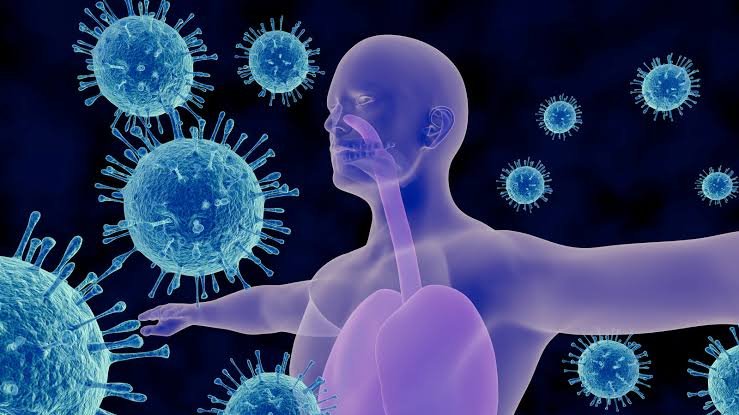
A healthy immune system plays an important role in protecting the body from infections and helping it recover from illness. While no single food or supplement can guarantee strong immunity, simple daily habits can support your overall immune health.
Eat a Balanced Diet
Include a variety of fruits, vegetables, whole grains, pulses, nuts, seeds and protein-rich foods in your meals. Nutrients such as vitamin C, vitamin D, zinc and iron are important for normal immune function.
Get Enough Sleep
Good-quality sleep gives your body time to rest and recover. Most adults need around 7–9 hours of sleep each night. Try to maintain a regular sleep schedule and reduce screen time before bed.
Stay Physically Active
Regular exercise supports overall health and can help your body function better. Walking, cycling, stretching, swimming or strength training can all be useful. Even moderate daily activity is better than being inactive.
Manage Stress
Long-term stress can affect your overall well-being. Make time for activities that help you relax, such as walking, listening to music, spending time with family, reading or practising simple breathing exercises.
Stay Hydrated
Drink enough water throughout the day. Your hydration needs can vary depending on your activity level, weather and diet, so listen to your body’s needs.
Maintain Good Hygiene
Regular handwashing, covering your mouth when coughing or sneezing, and avoiding unnecessary contact with your face can help reduce exposure to germs.
Avoid Smoking and Excessive Alcohol
Smoking can harm the body’s natural defence mechanisms, while excessive alcohol consumption can affect overall health. Avoiding tobacco and limiting alcohol can support a healthier lifestyle.
Don’t Depend on “Immune-Boosting” Products
There is no magic food, drink or supplement that can instantly strengthen your immune system. A balanced lifestyle is more important than relying on products marketed as quick immune boosters.
Final Thoughts
Supporting your immune system is mainly about taking care of your overall health. Eat well, sleep properly, stay active, manage stress and maintain good hygiene. Small healthy habits, when followed consistently, can make a meaningful difference to your well-being.
Disclaimer: This article is for general health information only and is not a substitute for professional medical advice.