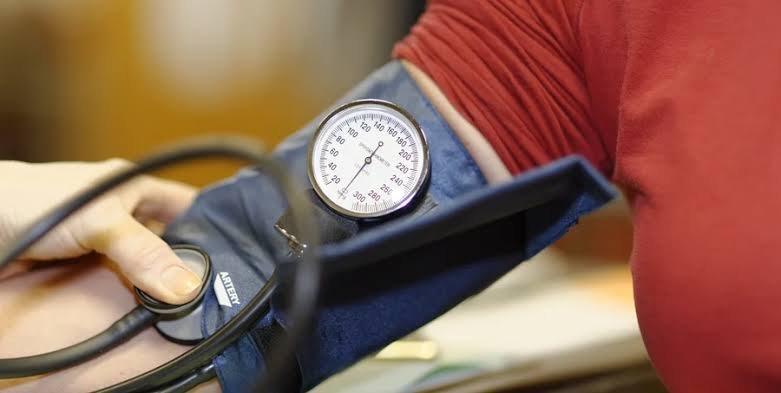



Feeling energetic, staying active, and maintaining a healthy lifestyle are all positive signs. However, feeling fit does not always mean that everything inside your body is functioning perfectly. Some health conditions, including high blood pressure, high cholesterol, and type 2 diabetes, can develop gradually without noticeable symptoms.
This is why regular health checkups are important, even for people who feel healthy. Routine medical visits can help identify potential health risks early, monitor important health indicators, and support better long-term well-being.
What Are Regular Health Checkups?
A regular health checkup is a preventive healthcare visit in which a healthcare professional reviews your overall health, medical history, lifestyle, and potential risk factors.
Depending on your age, family history, and individual needs, a checkup may include blood pressure measurement, weight assessment, selected blood tests, and recommended screening tests.
Not everyone needs the same tests at the same frequency. A doctor can help determine which assessments are appropriate for you.
- Detect Health Problems Before Symptoms Appear
One of the biggest benefits of regular health checkups is the possibility of identifying certain health conditions before they cause noticeable symptoms.
For example, high blood pressure often has no obvious warning signs. High cholesterol can also remain undetected for years, while elevated blood sugar may develop without clear symptoms in its early stages.
When these conditions go unnoticed, they may increase the risk of complications over time. Appropriate screening can help identify problems earlier, allowing people to discuss lifestyle changes, monitoring, or treatment with a healthcare professional.
- Protect Your Heart Health
Healthy heart deserves attention even when you feel physically strong. Cardiovascular risk can be influenced by several factors, including blood pressure, cholesterol levels, blood sugar, smoking, alcohol consumption, physical activity, and family history.
During a routine checkup, a healthcare professional may assess these factors to understand your overall risk of heart disease and stroke.
If necessary, your doctor may recommend a lipid profile, blood sugar testing, or further assessment based on your personal health history.
Early awareness of cardiovascular risk factors can help you make informed decisions about diet, exercise, and medical care.
- Monitor Blood Sugar and Diabetes Risk
Type 2 diabetes can develop gradually, and some people may not experience noticeable symptoms in the early stages.
Depending on your risk factors, a doctor may recommend a fasting blood glucose test or an HbA1c test, which provides information about average blood sugar levels over approximately the previous two to three months.
These tests are particularly relevant for people with risk factors such as excess body weight, a family history of diabetes, or a history of elevated blood sugar.
Identifying abnormal results can help guide appropriate follow-up and reduce the risk of long-term complications.
- Understand Your Nutritional and Overall, Health Status
A health checkup can also help identify specific nutritional concerns or other health issues when symptoms, medical history, or risk factors indicate a need for investigation.
For example, a doctor may recommend testing for anemia, vitamin deficiencies, or thyroid problems when clinically appropriate.
However, ordering every available blood test is not always necessary. Testing should be guided by symptoms, examination findings, personal risk factors, and professional advice.
The goal is to identify meaningful health concerns rather than undergo unnecessary investigations.
- Keep Track of Changes Over Time
A single health report provides information about your condition at a particular moment. Comparing results over time can sometimes reveal important changes.
Regularly monitoring relevant measurements, such as blood pressure, cholesterol, blood sugar, and body weight, can help you and your doctor understand whether your current lifestyle or treatment plan is working.
This is especially useful for people with existing health conditions or a family history of certain diseases.
Keeping previous medical reports and sharing them during appointments can make these comparisons easier.
- Review Your Lifestyle and Daily Habits
Your daily routine has a significant influence on long-term health. Diet, sleep, exercise, stress, smoking, and alcohol consumption can all affect your health risks.
A preventive health visit provides an opportunity to discuss these habits openly with a healthcare professional.
You may receive practical advice on improving your diet, becoming more physically active, managing stress, getting sufficient sleep, and reducing unhealthy habits.
Even small, consistent changes can contribute to better health over time.
- Stay Up to Date with Recommended Screenings and Vaccinations
Preventive healthcare involves more than blood tests. Depending on your age, sex, medical history, and personal risk factors, your doctor may recommend screenings for certain cancers, dental or eye examinations, or specific vaccinations.
For example, cervical cancer screening and colorectal cancer screening are recommended for eligible populations according to applicable medical guidelines.
The appropriate screening schedule varies between individuals and countries. Your healthcare professional can help you understand which preventive services are due and when.
How Often Should You Get a Health Checkup?
There is no single schedule that suits everyone. The frequency of routine visits depends on your age, existing medical conditions, family history, lifestyle, and previous test results.
Healthy adults may not need extensive testing every year, while people with chronic conditions or significant risk