

The way people work is changing faster than ever. Technology, remote work, artificial intelligence, digital communication and changing employee expectations are reshaping the modern workplace.
A few years ago, going to an office every day was considered a normal part of professional life. Today, many people work remotely, collaborate with teams across different countries and use digital tools to complete tasks that once required physical offices.
This shift is not only changing where people work, but also how businesses hire employees, manage teams and measure productivity.
How Technology Is Changing the Workplace
Technology has become an important part of almost every industry. From communication platforms and cloud-based software to automation and artificial intelligence, digital tools are helping businesses complete work faster and more efficiently.
Employees can now attend meetings online, share documents instantly, manage projects from anywhere and communicate with colleagues in different time zones.
For businesses, these technologies can reduce operational barriers and make it easier to work with talent from different locations.
Remote and Hybrid Work Are Becoming More Common
One of the biggest changes in the modern workplace is the growth of remote and hybrid work.
Remote work allows employees to work from home or another location instead of travelling to a traditional office. Hybrid work combines office-based work with remote working.
These models have given employees more flexibility while allowing companies to rethink how offices and teams are structured.
However, remote work also comes with challenges. Maintaining communication, building team relationships, managing workloads and separating professional and personal time can sometimes be difficult.
Artificial Intelligence Is Changing Job Roles
Artificial intelligence is becoming another major factor in the future of work.
AI tools can help employees analyze information, automate repetitive tasks, create content, organize data and support decision-making. In many cases, technology is not simply replacing a complete job; instead, it is changing the tasks involved in that job.
This means employees may increasingly need to learn how to work alongside AI tools.
The ability to understand technology, check information carefully and use digital tools effectively is becoming valuable across many professions.
Skills Are Becoming More Important
As technology changes job roles, traditional qualifications alone may not always be enough.
Employers are increasingly looking for a combination of technical and human skills. Digital literacy, communication, problem-solving, creativity, adaptability and teamwork can all play an important role in today’s workplace.
Learning also does not necessarily stop after getting a job. Upskilling and reskilling are becoming important ways for professionals to keep up with changing technologies and industry requirements.
The Importance of Human Skills
Despite rapid technological development, human skills remain important.
Communication, leadership, empathy, creativity and critical thinking are difficult to replace completely with technology. Teams still need people who can understand customers, solve complex problems, build relationships and make responsible decisions.
The future workplace is therefore likely to involve a combination of technology and human expertise rather than technology working completely on its own.
Work-Life Balance Is Getting More Attention
Digital connectivity has made it possible to work from almost anywhere. But being connected all the time can also make it harder for employees to switch off.
Emails, messages and online meetings can easily extend beyond traditional working hours.
As a result, work-life balance has become an important workplace discussion. Companies and employees are increasingly looking at ways to maintain productivity without allowing work to take over personal time.
What Does the Future of Work Look Like?
The future of work will likely continue to evolve as technology develops.
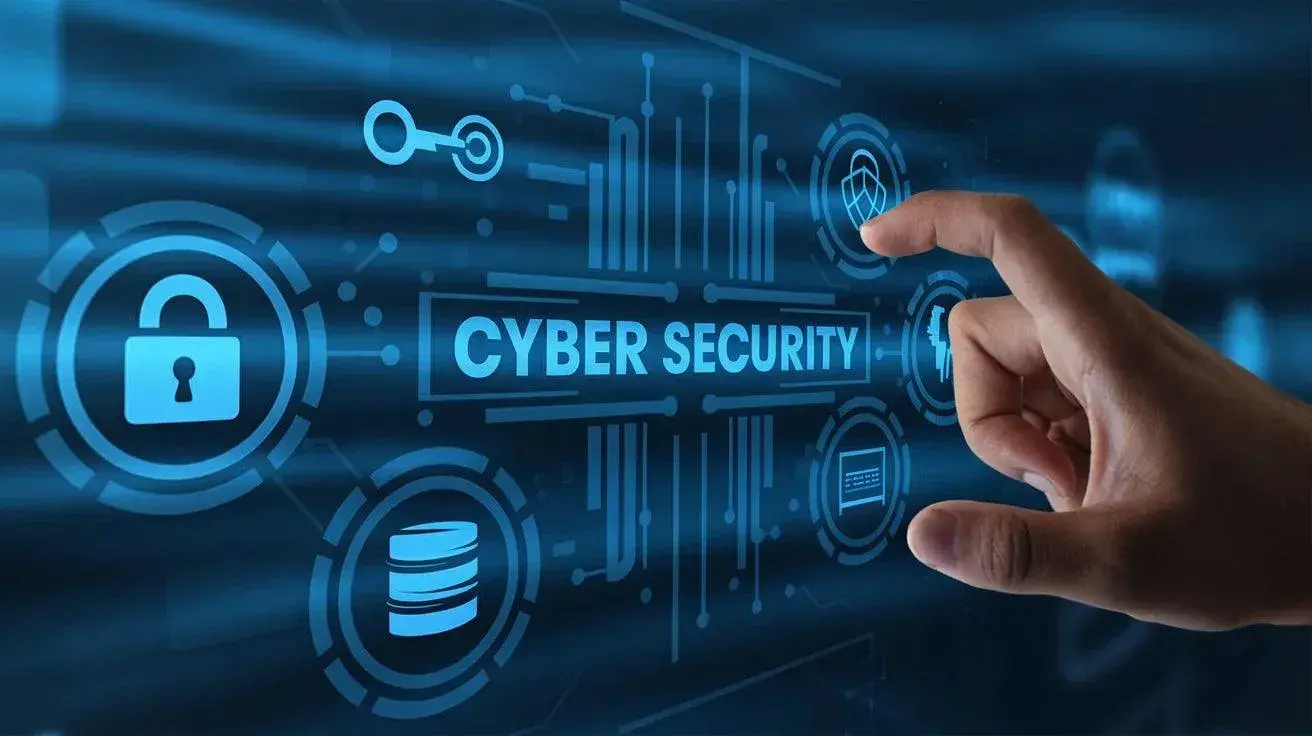
Some jobs may change significantly, while new roles may emerge around artificial intelligence, cybersecurity, data, digital services and other technologies.
At the same time, organizations may continue experimenting with flexible working arrangements, digital collaboration and skills-based hiring.
Rather than preparing for one fixed version of the future workplace, professionals can benefit from staying adaptable and continuing to learn.