


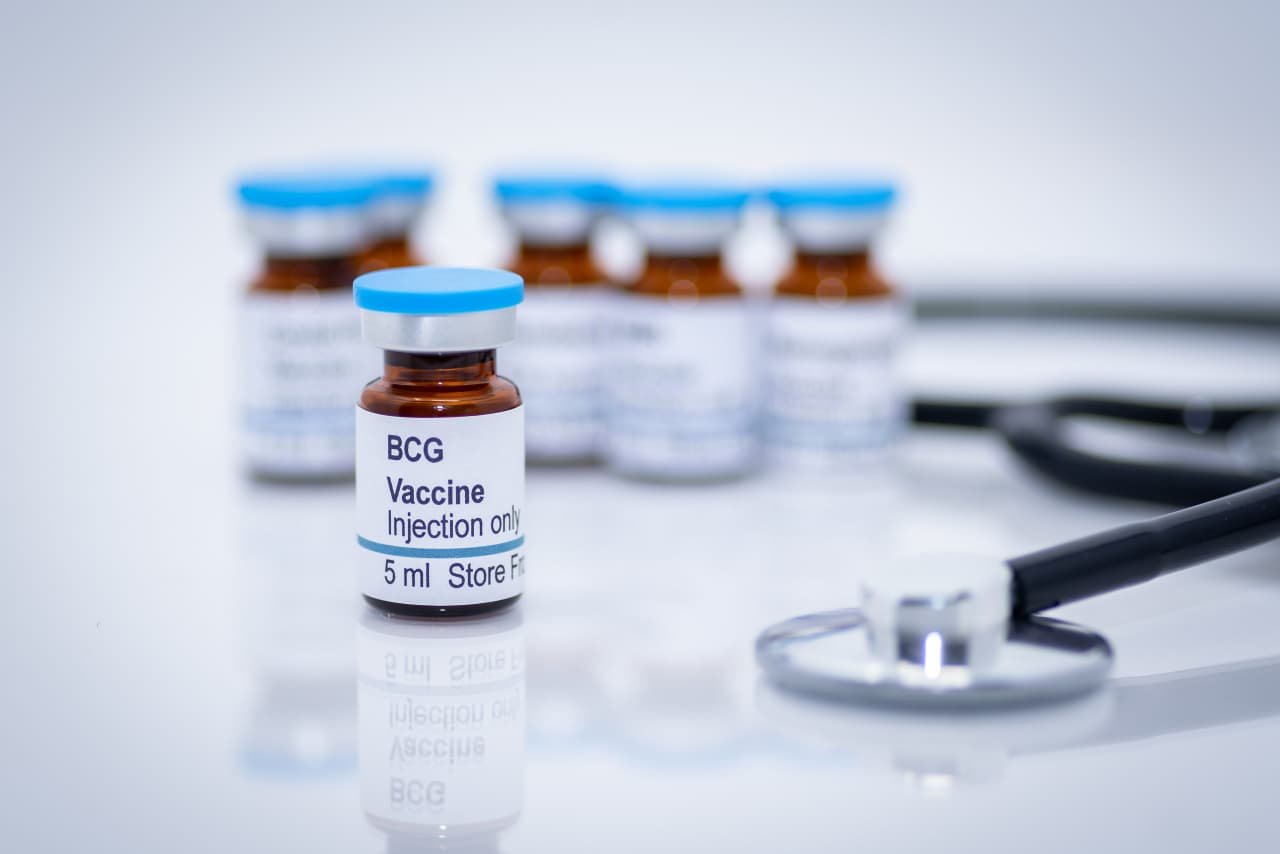
New tuberculosis (TB) vaccine candidates are bringing fresh hope to the fight against one of the world’s biggest infectious disease threats. Several vaccines are now being tested in clinical trials, with researchers working to develop protection that could go beyond the century-old BCG vaccine.
Tuberculosis remains a major global health challenge. While BCG is widely used, particularly for children in countries where TB is common, its protection against pulmonary TB in adults is limited. This has created a strong need for new vaccines that can offer broader and more effective protection.
New TB vaccines move through clinical trials
The TB vaccine pipeline has expanded significantly in recent years. According to the Working Group on New TB Vaccines, candidates are being studied at different stages, from early laboratory research to large Phase 3 clinical trials.
One of the most closely watched candidates is M72/AS01E, which is currently being evaluated in a large Phase 3 trial. The Gates Medical Research Institute began the trial in 2024 across sites in Africa and Asia. If successful and approved by regulators, it could become an important addition to the world’s TB prevention tools.
Another candidate, MTBVAC, is also among the vaccines being developed as a potential alternative to BCG. Researchers are studying whether newer approaches can provide stronger and longer-lasting protection against TB.
Indian vaccine candidates also show potential
India is also playing a significant role in TB vaccine research. Two candidates, VPM1002 and Immuvac, have recently attracted attention following clinical research examining their ability to prevent different forms of TB.
A 2026 study reported encouraging results for protection against extrapulmonary TB in certain groups. However, the researchers also found important limitations, including a lack of significant protection against pulmonary TB in the broader study population. This means the results should be viewed as promising research rather than evidence that these vaccines can yet replace existing TB prevention strategies.
Why new TB vaccines matter
The need for better TB vaccines is particularly important because tuberculosis continues to cause a substantial number of illnesses and deaths worldwide. New vaccines could help reduce transmission and disease, particularly in populations where current vaccination provides limited protection.
A recent analysis highlighted the potential economic and health benefits of successful next-generation TB vaccines. Gavi reported that vaccines expected to become available from around 2029 could potentially prevent millions of TB cases and save millions of lives if they are successfully developed, approved and widely introduced. These figures are projections, not guaranteed outcomes.
Approval and wider use are still some way off
Despite the progress, researchers caution that vaccine development takes time. Candidates must complete clinical trials and undergo regulatory review before they can be approved for widespread use.
For now, the developments represent an important step forward in TB research. If late-stage trials demonstrate strong safety and effectiveness, the next generation of vaccines could give health programmes another tool to reduce the global burden of tuberculosis.
For millions of people affected by TB every year, the progress offers a reason for cautious optimism — but researchers still have several important stages to complete before these vaccines become part of routine public-health programmes.
Disclaimer: The vaccines discussed above are investigational candidates unless specifically stated otherwise. Their safety, effectiveness and approval status can change as clinical trials and regulatory reviews progress.