

India is set to achieve a significant milestone in animal healthcare with the dedication of its first indigenous vaccine against the highly pathogenic H5N1 bird flu virus on November 20, 2026. The vaccine has been developed by the ICAR-National Institute of High Security Animal Diseases (ICAR-NIHSAD), Bhopal.
Union Minister for Agriculture and Farmers Welfare and Rural Development, Shivraj Singh Chouhan, will dedicate the vaccine to the nation at ICAR-NIHSAD in Bhopal, Madhya Pradesh.
India’s First Indigenous H5N1 Vaccine: A Major Scientific Achievement
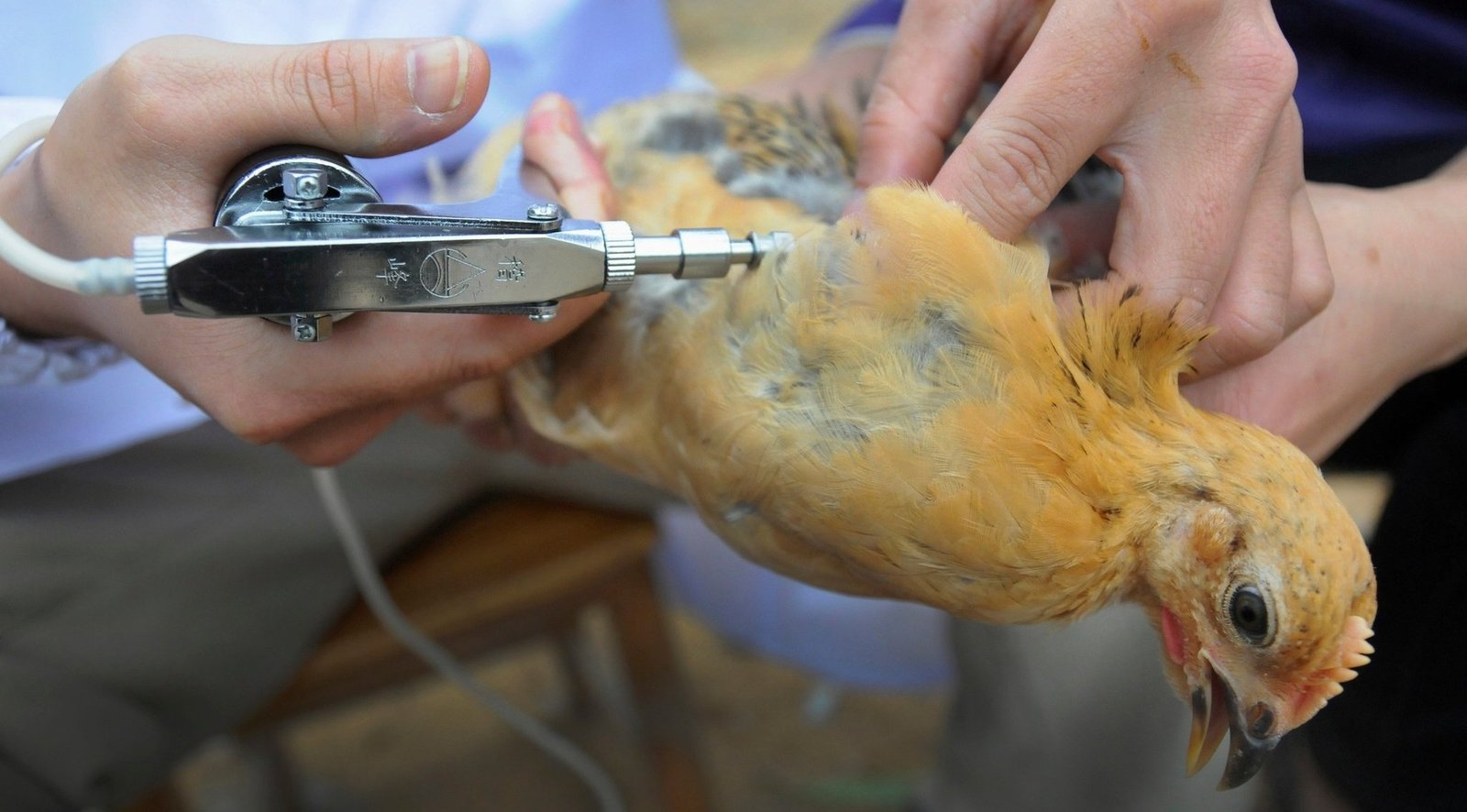
The newly developed vaccine is an inactivated H5N1 Highly Pathogenic Avian Influenza (HPAI) vaccine designed specifically for chickens. It targets the H5N1 virus strain known as Clade 2.3.2.1a.
This development represents an important step towards strengthening India’s domestic capabilities in animal disease prevention and reducing dependence on external vaccine technologies.
The vaccine has been developed entirely through indigenous research at ICAR-NIHSAD, which operates under the Indian Council of Agricultural Research (ICAR).
Why Is the H5N1 Vaccine Important for India?
Bird flu, scientifically known as Highly Pathogenic Avian Influenza (HPAI), is a serious infectious disease that affects poultry and other bird populations.
Outbreaks can result in extremely high mortality among infected birds, causing significant financial losses for poultry farmers. They can also lead to mass culling, restrictions on poultry movement and disruptions in the poultry supply chain.
India has experienced several bird flu outbreaks over the years, making disease prevention and effective surveillance important priorities for the country’s poultry sector.
The development of an indigenous vaccine could provide an additional tool to strengthen poultry disease management and support farmers.
Strengthening India’s Self-Reliance in Animal Healthcare
The development reflects India’s growing capabilities in scientific research, biotechnology and indigenous vaccine development.
With the new H5N1 vaccine, ICAR-NIHSAD has taken an important step towards improving the country’s preparedness against emerging animal diseases.
However, the vaccine’s broader impact will depend on its deployment, vaccination strategy, disease surveillance and effective implementation of biosecurity measures.
The November 20 event in Bhopal is expected to mark an important moment for India’s animal healthcare research and poultry industry.
India’s first indigenous H5N1 poultry vaccine is another significant step towards strengthening the country’s vision of self-reliance in science and technology.