


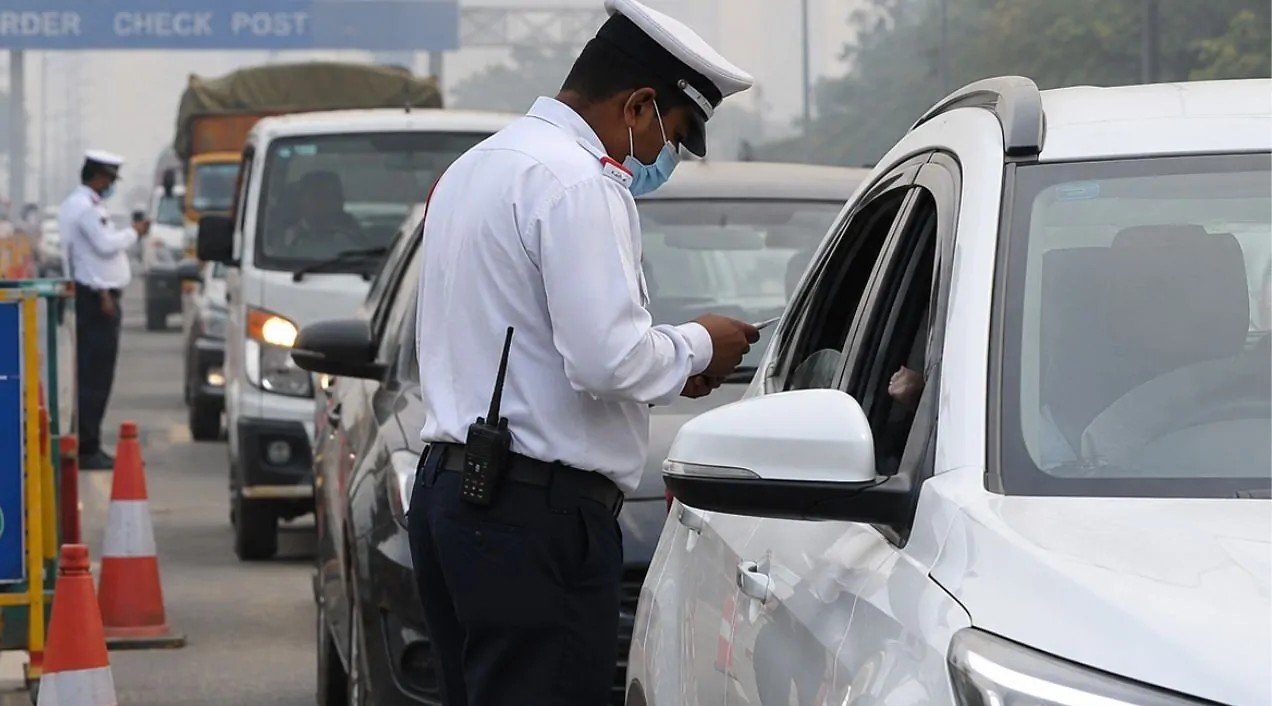
Delhi has started enforcing stricter vehicle entry restrictions from November 1, 2026, as part of its winter air pollution control measures. Under the new rules, petrol and diesel vehicles registered outside Delhi that do not meet BS-VI emission standards will not be allowed to enter the national capital until January 31, 2027.
According to reports published by The Indian Express and Hindustan Times, the restrictions are intended to reduce vehicular emissions during the winter season, when Delhi frequently experiences deteriorating air quality.
The restrictions are part of the revised Graded Response Action Plan (GRAP) and the Delhi government’s broader winter pollution-control strategy.
Which Vehicles Are Banned from Entering Delhi?
The restrictions primarily cover petrol and diesel vehicles registered outside Delhi that fall below BS-VI emission standards. This includes older BS-III and BS-IV vehicles, subject to the applicable exemptions.
According to The Times of India, the Delhi Traffic Police has issued an advisory regarding the restrictions and asked motorists to check their vehicle’s emission category and required documents before travelling to the capital.
Vehicles that are registered outside Delhi but comply with BS-VI standards will be allowed to enter, subject to other applicable rules.
Which Vehicles Are Allowed?
The following categories are exempt from the specific non-BS-VI entry restriction:
-
BS-VI compliant petrol and diesel vehicles.
-
Electric vehicles (EVs).
-
CNG-powered vehicles.
-
Ambulances and fire tenders.
-
Other notified emergency and essential-service vehicles.
However, vehicles must comply with other applicable traffic and pollution-control requirements, including valid PUC certification.
Delhi Strengthens Border Surveillance
Authorities are also increasing monitoring at Delhi’s entry points to ensure compliance with the new restrictions.
As reported by The Indian Express on November 1, special inspection teams have been deployed in Gurugram and Noida. Delhi authorities are using Automatic Number Plate Recognition (ANPR) cameras, RFID technology and vehicle registration databases to identify vehicles that do not meet the prescribed emission standards.
The enforcement drive will involve coordination between Delhi Traffic Police, transport officials and neighbouring NCR authorities.
What About Trucks and Interstate Buses?
The restrictions also affect certain commercial vehicles and interstate buses.
Non-BS-VI diesel buses arriving from other states will face entry restrictions. Trucks that are only passing through Delhi and have no delivery destination in the capital have been advised to use the Eastern and Western Peripheral Expressways.
Commercial vehicle operators are advised to check the latest traffic advisories before planning their routes.
Why Has Delhi Introduced the New Restrictions?
Air pollution remains a major seasonal concern in Delhi, particularly during the winter months. Vehicle emissions, construction dust, industrial pollution and unfavourable weather conditions contribute to poor air quality.
Through these restrictions, the Delhi government aims to reduce pollution from older vehicles and encourage the use of cleaner transportation alternatives.
Commuters travelling from Noida, Gurugram, Ghaziabad and Faridabad should check the latest rules before entering Delhi to avoid inconvenience and possible penalties.